Introduction
Many people notice changes on their skin. Sometimes, these changes are harmless. However, some changes can be warning signs of skin cancer. Knowing the difference between harmless skin changes and cancer warning signs is important. Early detection can help save lives. In this blog, you will learn how to spot the difference, what to watch for, and when to see a dermatologist.
Common Harmless Skin Changes
First, let’s look at some skin changes that are usually not a cause for concern. Most people develop these as they age or due to sun exposure. For example, many harmless skin changes include:
Usually, these changes do not cause pain or discomfort. They tend to stay the same over time. However, it is still wise to keep an eye on them.
Typical Warning Signs of Skin Cancer
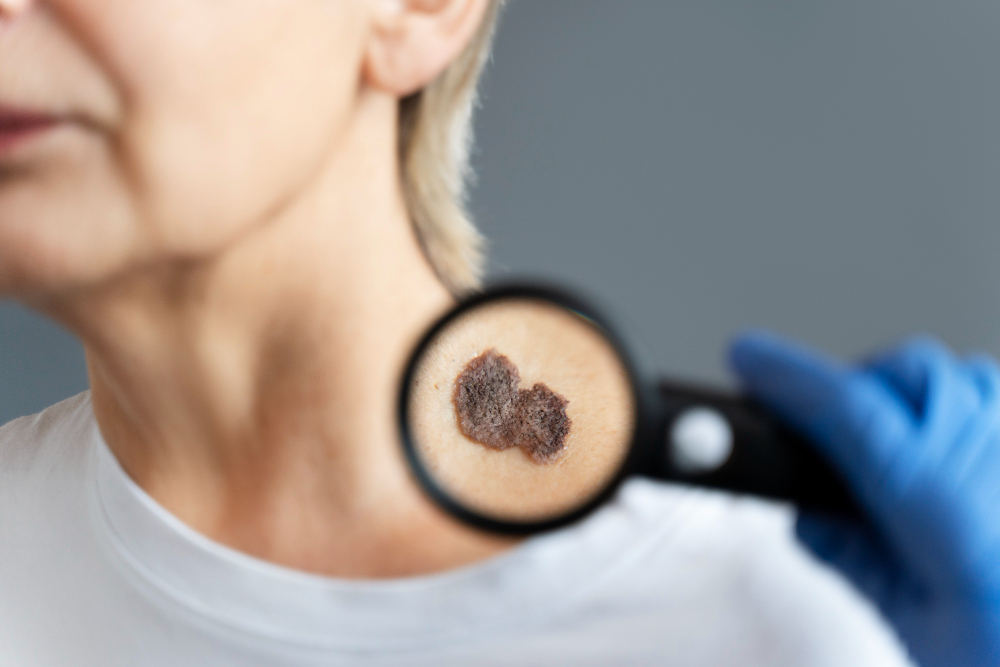
On the other hand, some skin changes can signal cancer. Skin cancer symptoms can look different for each person. Still, there are common warning signs to watch for. For example, you should look out for:
According to the CDC and WHO, these can be early signs of skin cancer. Melanoma, basal cell carcinoma, and squamous cell carcinoma are the most common types.
How to Tell the Difference: Visual Cues, Symptoms, and Risk Factors
Sometimes, it can be hard to know if a skin change is harmless or not. However, there are some key differences you can look for. For instance:
In addition, some people have higher risk factors for skin cancer. For example, you may be at higher risk if you:
Because of these risks, it is important to check your skin often. If you notice any changes, take note and talk to your doctor.
When to Seek Medical Advice
Sometimes, it is hard to know when to see a dermatologist. However, you should seek medical advice if you notice:
Even if you are unsure, it is better to be safe. Early detection of skin cancer can make treatment easier and more successful. Dermatologists can check your skin and may use a biopsy to confirm if a spot is cancerous.
Prevention Tips and Skin Health Guidance
Fortunately, you can lower your risk of skin cancer with some simple steps. For example:
In addition, teach children about sun safety early. Healthy skin habits can help prevent problems later in life.
Summary
To sum up, knowing the difference between harmless skin changes and cancer warning signs is key. While many skin changes are not dangerous, some can be early signs of skin cancer. Always watch for changes in size, shape, color, or feel. If you notice any unusual skin changes, consult a specialist at Sagar Hospitals for personalized advice.