
What Is a Mammogram?
A mammogram is a special X-ray of the breast. Doctors use it to look for early signs of breast cancer. Because it can spot changes before you feel them, a mammogram is an important tool for breast cancer detection. Many women have questions about the mammogram procedure and what to expect. This guide will help you understand the process and its benefits.
Why Are Mammograms Important?
Early detection saves lives. In fact, the World Health Organization and CDC say that finding breast cancer early makes treatment easier and more effective. Mammogram screening can find lumps or changes in breast tissue before they cause symptoms. As a result, women have a better chance of recovery. Regular mammograms also help doctors track changes over time.
Who Should Get a Mammogram?
Most experts recommend that women start regular mammograms at age 40 or 50. However, your doctor may suggest starting earlier if you have a family history of breast cancer. Here are some general guidelines:
Always discuss your personal risk with your healthcare provider. They can help you decide what is best for you.
How Is a Mammogram Performed?
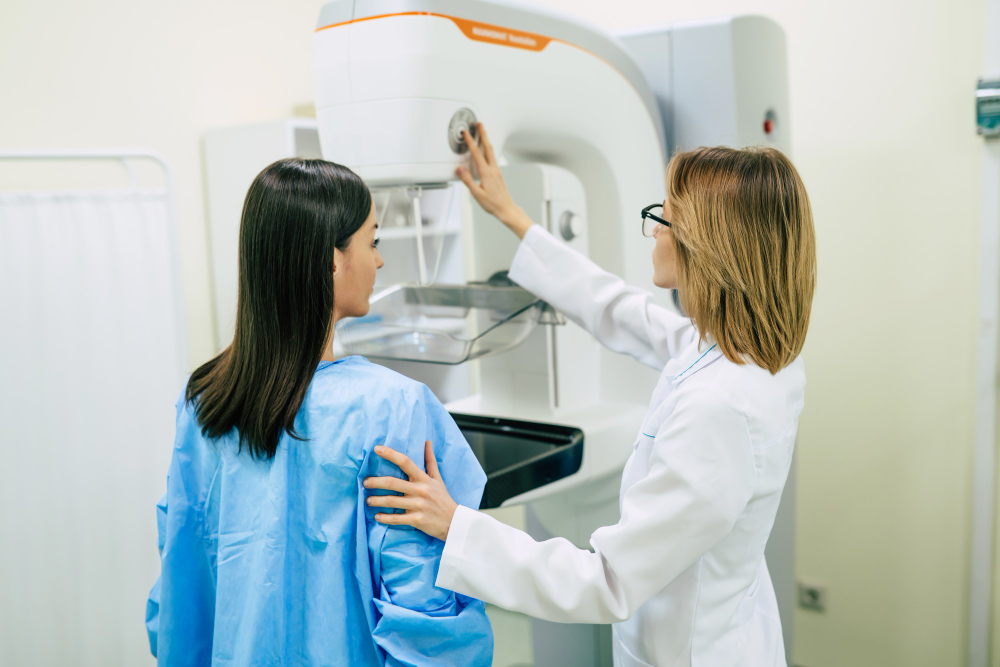
During a mammogram procedure, a trained technician will help you place one breast at a time on a flat surface. Next, a plastic plate gently presses the breast to spread the tissue. This step may feel a bit uncomfortable, but it lasts only a few seconds. The machine then takes X-ray images from different angles. The whole process usually takes about 20 minutes.
What to Expect During and After the Procedure
Before the test, you may be asked to remove jewelry and clothing from the waist up. During the mammogram, you might feel some pressure or mild discomfort. However, the pain should not last. After the procedure, you can return to your normal activities right away. Your doctor will review the images and share the results with you. Sometimes, you may need extra pictures if the first ones are unclear. This does not always mean something is wrong.
Benefits and Potential Risks
Mammograms offer many benefits. For example, they can:
However, there are some risks. Although rare, mammograms can miss some cancers or show false alarms. Also, the X-ray uses a small amount of radiation. But experts agree that the benefits far outweigh the risks for most women.
How to Prepare for a Mammogram
Preparing for a mammogram is simple. Here are some tips:
Following these steps can help make the process smoother and more comfortable.
Frequently Asked Questions
Prevention and Lifestyle Tips for Breast Health
Besides regular mammogram screening, healthy habits can support breast health. For instance, you can:
While these steps cannot prevent all breast cancers, they can lower your risk and help you stay healthy.
Conclusion
Mammograms are a crucial tool in the early detection and prevention of breast cancer. Early screening can significantly improve outcomes and save lives. If you have questions or concerns about mammograms, consult a healthcare provider at Sagar Hospital to determine if a mammogram is right for you and to receive personalized guidance for your breast health.