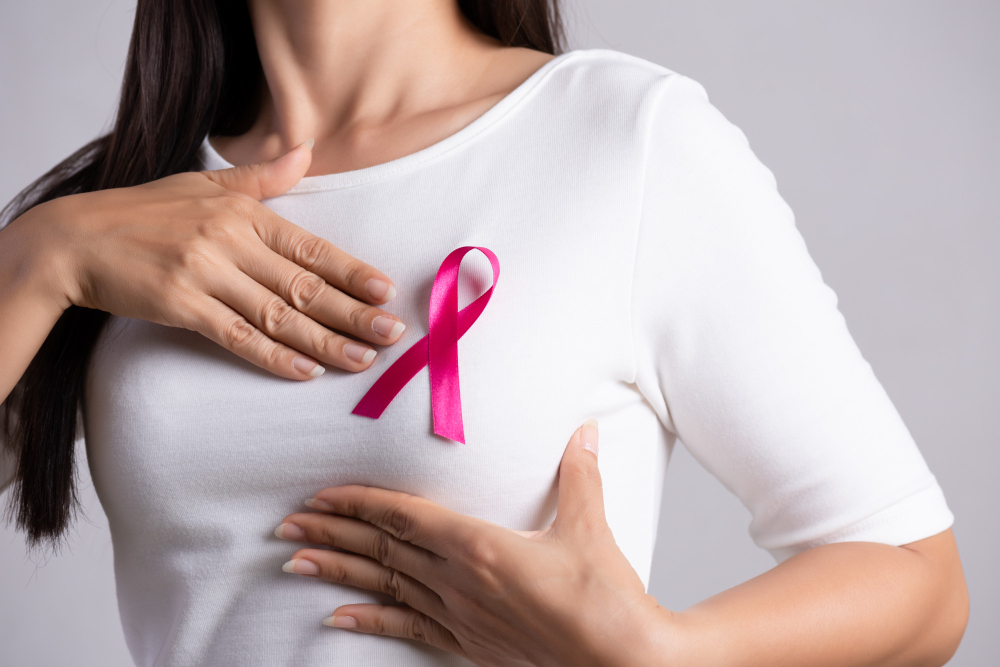
Many people have questions about breast cancer. This FAQ breast cancer guide gives clear answers to common concerns. Here, you will find helpful information about symptoms, diagnosis, treatment options, and more. If you want to learn about breast cancer frequently asked questions, you are in the right place.
What Is Breast Cancer?
Breast cancer is a disease where cells in the breast grow out of control. These cells can form a lump or mass. Sometimes, they spread to other parts of the body. Anyone can get breast cancer, but it is more common in women. However, men can get it too. According to the World Health Organization (WHO), breast cancer is the most common cancer in women worldwide.
What Are the Common Symptoms of Breast Cancer?
It is important to know the signs of breast cancer. Early detection can help with better outcomes. Here are some common breast cancer symptoms:
But not all lumps are cancer. Still, if you notice any changes, see your doctor soon.
What Are the Risk Factors for Breast Cancer?
Some things can raise your risk of breast cancer. However, having risk factors does not mean you will get the disease. Here are some common risk factors:
Even so, many people with breast cancer have no known risk factors.
What Causes Breast Cancer?
Doctors do not know the exact cause of breast cancer. However, changes in DNA can make cells grow too much. These changes may be inherited or happen over time. Factors like age, hormones, and lifestyle can play a role. But sometimes, breast cancer happens with no clear reason.
How Is Breast Cancer Diagnosed?
Early diagnosis is key. Doctors use several steps to find breast cancer. Here are common breast cancer diagnosis methods:
After diagnosis, doctors may do more tests to see if the cancer has spread. The Centers for Disease Control and Prevention (CDC) recommends regular screening for women over 40 or those at higher risk.
What Are the Treatment Options for Breast Cancer?
There are many breast cancer treatment options. The best choice depends on the type and stage of cancer. Here are common treatments:
Doctors often use a mix of these treatments. Your care team will explain your options and help you decide.
Can Breast Cancer Be Prevented?
There is no sure way to prevent breast cancer. However, you can lower your risk by making healthy choices. Here are some tips:
Even with these steps, regular check-ups are important.
What Lifestyle Tips Can Help During and After Treatment?
Living with breast cancer can be hard. But some lifestyle changes can help you feel better. For example:
These steps can support your body and mind during recovery.
What Is the Prognosis for Breast Cancer?
Many people want to know about survival and outlook. The prognosis for breast cancer depends on the stage, type, and treatment. Early-stage breast cancer often has a good outcome. According to the American Cancer Society, most women with early breast cancer live for many years. However, every case is different. Your doctor can give you more details about your situation.
Where Can I Find Support and Resources?
Support is important for people with breast cancer and their families. You can find help from:
Remember, you are not alone. Many people and groups want to help.
Conclusion
In summary, this FAQ breast cancer guide covers the most common questions. If you have more concerns, consult a healthcare specialist at Sagar Hospital & Cancer Care for personalized advice about breast cancer.